
400+ 5-Star Reviews
Same-Day Availability

100+ 5-Star Reviews
Early DetectionSaves Lives
Oral cancer is a serious medical condition that can affect the mouth and surrounding areas. Early detection plays a critical role in successful treatment, which is why it is essential to have a trusted provider for oral cancer screening in Mesa, AZ. Dental Brothers provides thorough screenings that will identify potential concerns as early as possible, and these quick, noninvasive screenings can be completed during routine dental visits. At Dental Brothers we prioritize your comfort and your long-term health, providing tailored treatment plans for you based on your health history and goals. Early detection saves lives: don’t wait to schedule your oral cancer screening with Dental Brothers today.
Why Choose Dental Brothersfor Oral Cancer Screening in Mesa, AZ?
When it comes to preventative dentistry, it’s essential to have a dental team you trust to handle your screenings and other routine treatments. At Dental Brothers, we understand the importance of proactive dentistry and aim to provide treatment options that will minimize problems before they begin. When you choose our trusted providers for your oral cancer screening, you can count on:
- A thorough, non-invasive screening performed by experienced and skilled dentists in Mesa, AZ.
- Advanced diagnostic tools are used to detect and identify any abnormalities as early as possible.
- A patient-first approach that prioritized your comfort and preferences throughout every treatment.
- Comprehensive dental care that allows you to receive all of your treatments in one convenient local office.
What IsOral Cancer?
Oral cancer is a cancer that can develop in the tissues of the mouth or throat and can also affect areas like the lips, tongue, cheeks, gums, roof and floor of the mouth, and the back of the throat. Oral cancer typically begins as a small sore or lesion that doesn’t heal, and it may be difficult to detect early on, as it may not cause noticeable pain. Since early symptoms are often subtle, it is often diagnosed later than other cancers. As such, routine screenings are especially important, as early detection allows treatment to be much more successful. Dentists are trained to detect early warning signs of oral cancer that patients may not easily notice.
Recognizing the Symptomsof Oral Cancer
Oral cancer can develop anywhere in the mouth or throat. Common warning signs include:
- Lumps, bumps, or rough patches inside the mouth or on the lips
- White, red, or speckled patches on the tongue or gums
- Persistent bleeding or sores that don’t heal within two weeks
- Pain, numbness, or tenderness in the mouth, face, or neck
- Difficulty chewing, swallowing, or moving the jaw or tongue
- A persistent sore throat or the feeling that something is caught in your throat
- Voice changes, hoarseness, or ear pain
- Unexplained weight loss or shifting of teeth or dentures
If you notice any of these symptoms, it’s important to schedule an appointment for evaluation as soon as possible.
Who Is at Riskfor Oral Cancer?
Oral cancer can impact anyone, but there are certain factors that increase your risk. Certain habits and lifestyle choices can significantly increase the risk of developing oral cancer, including:
- Tobacco use (cigarettes, cigars, pipes, chewing tobacco, or snuff)
- Excessive alcohol consumption
- Frequent sun exposure (linked to lip cancer)
- Family history of cancer
- Human papillomavirus (HPV) infection
- Poor nutrition or weakened immune system
Avoiding tobacco, limiting alcohol, and maintaining regular dental checkups are essential steps in reducing your risk.
What to Expect Duringan Oral Cancer Screening
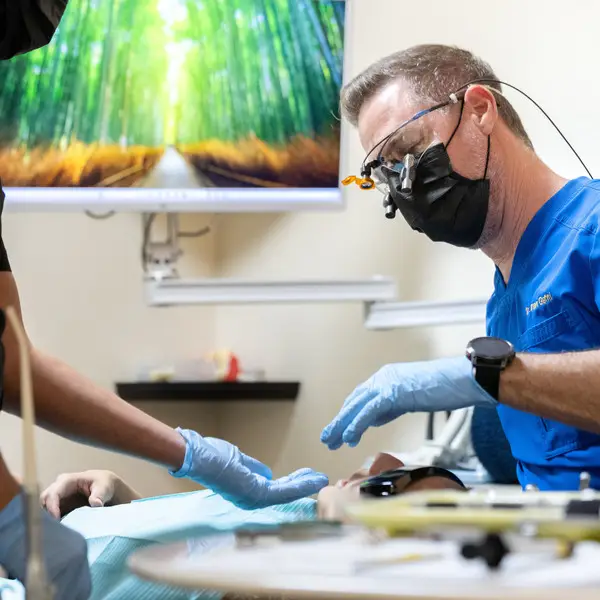
An oral cancer screening is a painless and simple exam that your dentist can complete during a routine teeth cleaning or visit, and it typically includes several steps to evaluate the mouth.
Visual Inspection
During the visual exam, your dentist will carefully examine the lips, gums, tongue, cheeks, and throat for any unusual sores, discoloration, or lesions. They look for changes in color, texture, or symmetry that could indicate an abnormality.
Physical Palpation
Physical palpation involves gently feeling the tissues of the mouth, jaw, neck, and throat to check for lumps, swelling, or areas of tenderness. This step helps identify abnormalities beneath the surface that may not be visible during a visual exam.
Oral Cancer Screening Dye
In some cases, a special screening dye may be used to highlight suspicious areas. The dye helps identify abnormal cells by temporarily staining them, making potential problem areas easier to spot during the examination.
Oral Cancer Screening Light
Advanced screening lights may also be used to detect changes in oral tissue. These lights can help reveal abnormalities that are not visible under normal lighting conditions, providing an added layer of evaluation.
Benefits ofOral Cancer Screenings
A routine oral cancer screening has virtually no downsides, as it is a simple and painless procedure that can help with early detection of harmful cancer. Some of the key benefits include:
- Early detection, which can save lives by helping identify cancer while it is still treatable
- Improved treatment outcomes through earlier intervention
- Early treatment allows for preservation of speech, chewing ability, and appearance of the mouth
- Peace of mind can be offered for individuals through regular monitoring of oral health
- Proactive management of overall health
Can a Dentist Seeif You Have Oral Cancer?
Dentists are trained to identify the early signs and symptoms of oral cancer during a screening, but they cannot officially diagnose cancer. If they see an abnormality during a screening, they may refer you to a specialist for additional testing, like a biopsy, which can confirm if the abnormality is cancerous. Early identification is crucial, as oral cancer detected in early stages has a much higher survival rate. Regular dental visits increase the likelihood that changes will be noticed before symptoms become severe.
How Oral Canceris Diagnosed
During your dental visit, if we detect any abnormal tissue, we may perform an oral brush biopsy to collect a small sample for analysis. In cases where a lesion appears suspicious, a scalpel biopsy may be required to provide a more detailed evaluation. These procedures are quick, minimally invasive, and typically performed with local anesthesia for your comfort.
The Importance ofEarly Detection
When oral cancer is diagnosed early, treatment outcomes are significantly improved.
Regular screenings can make the difference between a treatable condition and one that becomes life-threatening. At Dental Brothers, we include oral cancer screenings as part of every routine dental checkup to ensure your ongoing health and peace of mind.
- 1-year survival rate: 81%
- 5-year survival rate: 56%
- 10-year survival rate: 41%
Oral Cancer ScreeningFAQs
How Often Should I Get Screened for Oral Cancer?
We recommend an oral cancer screening at every routine dental exam, typically twice a year. This ensures that any early changes are detected quickly.
Is Oral Cancer Screening Painful?
No — screenings are fast, painless, and performed as part of your regular dental visit. If we find anything unusual, a quick, minimally invasive biopsy may be recommended for further testing.
Can Non-Smokers Get Oral Cancer?
Yes. While smoking and alcohol use increase risk, oral cancer can also develop in non-smokers due to factors such as HPV, genetics, or excessive sun exposure.
What Should I Do if I Notice a Sore or Lump in My Mouth?
Schedule an appointment right away. Most oral sores are harmless, but it’s best to have a professional evaluation to rule out more serious conditions.
How Long Does an Oral Cancer Screening Take?
An oral cancer screening typically takes just a few minutes and will generally be completed during your routine cleaning or exam. Despite being quick, these screenings are very valuable and can be easily incorporated into your regular dental appointment.
What Is the Survival Rate for Oral Cancer?
The survival rates for oral cancer vary greatly depending on how early the disease is detected, which is why oral screenings are essential. When oral cancer is detected early, the five-year survival rate can exceed 80%. Speak with your doctor for more information about survival rates for specific types and stages of oral cancer.
What Age Is Mouth Cancer Common?
Oral cancer is most commonly diagnosed in adults over the age of 40, with the highest incidence occurring in individuals in their 60s. However, oral cancer can affect people of any age. In recent years, HPV-related oral cancers have led to an increase in diagnoses among younger adults. Regular screenings remain important regardless of age, especially for those with known risk factors.
Book an AppointmentFor Oral Cancer Screening
in Mesa, Arizona
Protecting your health starts with prevention and early detection. At Dental Brothers, we are committed to promoting your long-term health through regular cleanings and preventative screenings. Now is the time to schedule your next oral cancer screening: contact Dental Brothers to get your appointment on the calendar.